Introduction Agriculture is no longer limited to traditional farming methods or local supply chains. Across the world—and especially in regions like the UAE—the future of agriculture is being shaped by technology integration, controlled environments, and structured global trade systems. These changes are not optional; they are necessary to address food security, climate constraints, and growing …

Introduction
Agriculture is no longer limited to traditional farming methods or local supply chains. Across the world—and especially in regions like the UAE—the future of agriculture is being shaped by technology integration, controlled environments, and structured global trade systems. These changes are not optional; they are necessary to address food security, climate constraints, and growing population demands.
This shift has led to the rise of agriculture technology, smart production systems, and global food trade networks that work together to ensure consistent supply and sustainable growth.
The Changing Landscape of Modern Agriculture
Traditional agriculture faces multiple challenges:
-
Climate variability
-
Water scarcity
-
Limited arable land
-
Supply chain inefficiencies
Technology has emerged as the key enabler to overcome these barriers. Modern agriculture now uses data-driven decision-making, automation, and controlled environments to ensure efficiency and reliability.
Role of Agriculture Technology
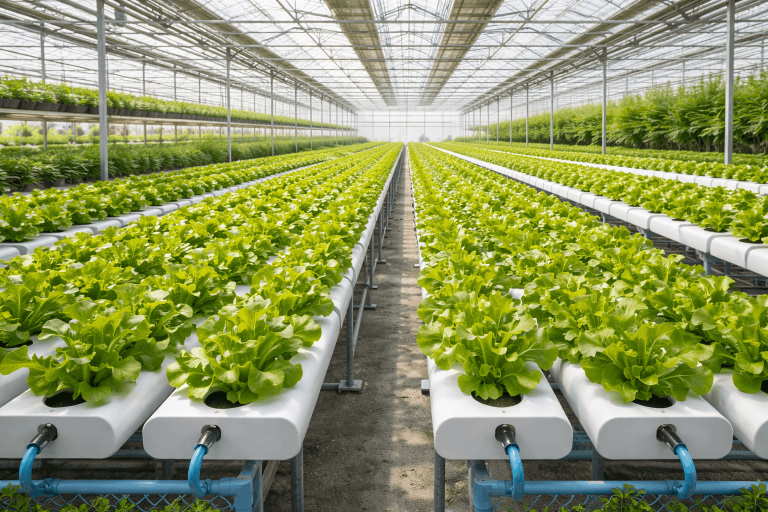
Agriculture technology focuses on improving how plants are grown, monitored, and harvested. This includes:
-
Precision irrigation
-
Sensor-based monitoring
-
Automated nutrient delivery
-
Climate-controlled growing environments
These systems reduce dependency on unpredictable weather and allow crops to be grown with greater consistency and lower resource consumption.
Why Global Trade Matters in Agriculture
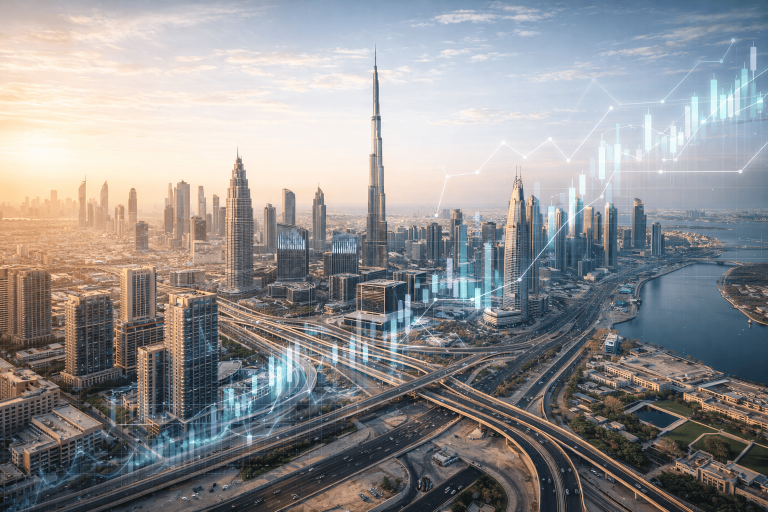
Agricultural production alone is not enough. Food must also move efficiently across regions. Global trade systems ensure that agricultural output reaches markets where demand exists, while maintaining quality and compliance.
For regions such as the UAE, global trade plays a critical role in:
-
Stabilizing food supply
-
Supporting institutional procurement
-
Managing import-export dependencies
Looking Ahead
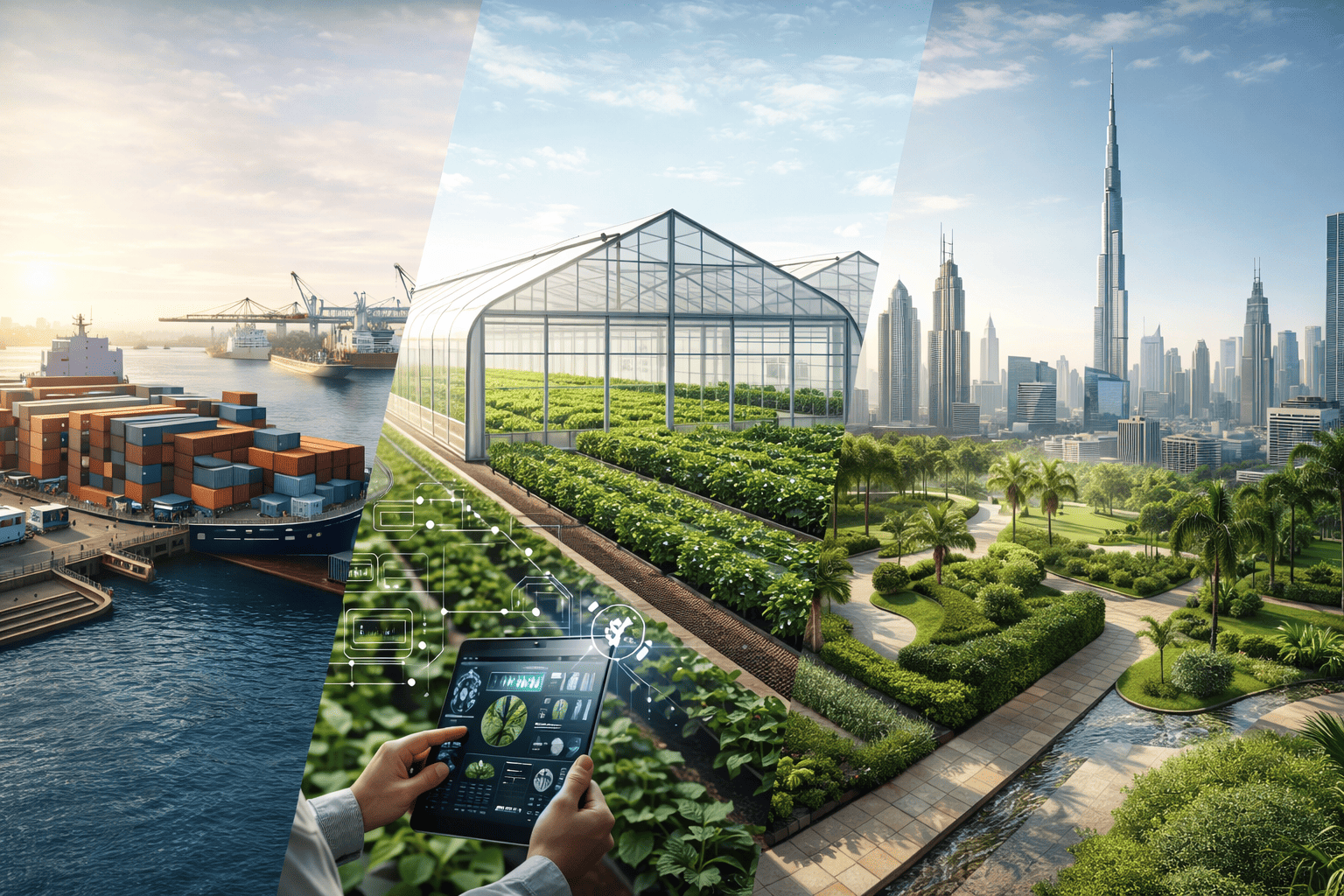
The future of agriculture lies in integrated systems—where technology-driven production, controlled farming environments, and global trade work together.
Organizations that adapt to this integrated approach will be better positioned to support long-term food security and sustainable growth.
Agriculture is no longer just about cultivation; it is about systems, scalability, and strategic planning. As technology and global trade continue to reshape the sector, the focus will remain on efficiency, sustainability, and reliability.